Educational Sessions
 I&E’s immersive education sessions equip you with practical solutions to today’s fleet challenges and forward-looking strategies for tomorrow’s operations. Selected through a call-for-presentations process, I&E sessions cover the full spectrum of fleet and mobility management—delivering insights you can apply immediately. What will you learn by attending I&E education sessions? Click here for the top 10 takeaways you will discover in the I&E sessions.
I&E Education Sessions are available to All Access attendees only.
 I&E education sessions are approved for Continuing Professional Education – CPE points – toward maintaining the Certified Automotive Fleet Manager (CAFM) designation. Unless otherwise noted, all I&E education sessions qualify for CAFM recertification points.
Sessions Overview
The I&E educational sessions are rated for three different levels of fleet experience:
- Beginner — Provides a broad-based overview of a topic; assumes attendees have little to no knowledge of the subject matter.
- Intermediate — Provides a moderate level of subject matter that adds to and enriches attendees’ understanding.
- Advanced — Provides an extraordinarily intense and advanced level of content.
Additionally, sessions are designated by their intended audience:
- Government
- Commercial
- Both government and commercial
The 2026 I&E sessions will target the following key topic tracks:

Emerging Technologies

Law Enforcement

Leadership

Legislative Advocacy

New to Fleet

Operations Management

Safety

Strategy

Sustainability

Technicians
Filter Sessions
No sessions were found matching your current filters.
Monday, April 5
Back to top-
10:30 a.m. — 11:30 a.m.
-
Fleet teams are often overwhelmed by routine questions, maintenance coordination, inspections, and administrative tasks that could be simplified through better technology selection and intentional process design. This session explores how fleet professionals can create a more self-service driver experience by reducing operational friction, improving follow-through, and aligning technology solutions with real-world fleet challenges. Learn practical approaches for evaluating technology, strengthening driver communication, and providing meaningful vendor feedback to influence better solutions while empowering drivers and improving overall fleet operations.
-

Andrew Dominguez
Fleet Information Systems Specialist
Empower Services
-
-
The path to fleet electrification has changed dramatically over the last several years. As public fleets face evolving funding opportunities, charging strategies, operation requirements, and political realities, fleet leaders need an updated roadmap to achieve their 2030 goals. This interactive session will share new findings from the Electrification Coalition’s first annual public fleet electrification survey; demonstrate practical planning tools including a public entity charging calculator; explore emerging electric fleet policies and procedures; and engage participants in a hands-on fleet electrification accelerator workshop. Leave with immediately actionable strategies, tools, and peer-tested approaches to accelerate fleet electrification in your organizations.
-

Matt Stephens-Rich
Director of Programs
Electrification Coalition
-
-
Fleet managers face increasing pressure to acquire vehicles while managing tighter budgets, rising vehicle costs, longer replacement cycles, and changing operational demands. Choosing the right acquisition strategy can have a significant impact on cash flow, total cost of ownership, and long-term fleet performance.
This session will provide a practical, easy-to-understand comparison of purchasing, financing, and leasing fleet vehicles. Explore the differences between open-end and closed-end leases, traditional financing, and outright purchase, including the advantages, risks, and financial considerations of each approach.
Using real-world fleet examples, the session will demonstrate how acquisition decisions can preserve capital, improve replacement cycles, reduce exposure to maintenance and resale risk, and provide greater budget predictability. Leave the session with a framework for evaluating acquisition options based on your organization’s financial objectives, vehicle usage, replacement strategy, and operational needs. You will also gain an understanding of cooperative purchasing contracts and how they assist fleet and procurement.
Whether managing a corporate, government, utility, or a nonprofit fleet, you will discover practical tools to make more informed vehicle acquisition decisions.
-
Joanne Cornier
Sr Manager - Government Fleet Sales & Leasing
Doering Fleet Management
-
-
This NAFA and the AFLA Women in Fleet Management interactive presentation explores how confident communication translates into the real, everyday moments that shape careers and leadership in fleet management. Learn how to navigate the tense vendor call, the difficult conversation with a direct report, the negotiation where you almost talked yourself out of asking for more, or the meeting where finding your voice can make the difference.
-

Rachael Sumstine
Project Manager
ACERTUS
-
-
Artificial intelligence has moved beyond automating routine tasks and is now actively shaping decisions once made solely by human judgment. As AI becomes a genuine participant in business decision-making, leaders face a new and unfamiliar challenge: How do you lead effectively when part of your decision-making process is shared with a machine?
This session explores the evolving relationship between leadership and AI, focusing on three core tensions every leader will eventually face: calibrating trust in AI-generated recommendations, navigating accountability when data and human judgment disagree, and redefining what confident, credible leadership looks like in an AI-augmented environment.
Rather than framing AI as competition, this session offers a practical framework for integrating AI as a genuine decision-making partner, one that strengthens, rather than undermines, human leadership. Explore real organizational examples and leave with concrete strategies for maintaining trust, authority, and clarity as AI’s role in strategic decisions continues to grow.
This session is ideal for fleet professionals navigating rapid technological change who want to stay decisive, credible, and human at the center of an increasingly AI-influenced organization.
-

Katherine Vigneau
Vice-President
Matrix Consulting Group
-

Patti Earley
Fleet Fuel Manager
Florida Power & Light
-
-
Mechanics spend too much time on data entry, and maintenance swallows up too much of the operating budget. Fleet leaders can no longer afford disconnected shop tools. This session explores how top fleets unify real-time telematics, driver inspections, and shop workflows into single-pass work orders to eliminate repeat shop visits. Learn how automating warranty claims, invoice processing, and parts tracking boosts technician wrench time, maximizes uptime, and lowers total cost of ownership.
-

Lu Suo
Senior Product Marketing Manager II
Samsara
-
-
Fleet managers are facing an unprecedented influx of data, but how that data is captured can affect everything from installation costs to long-term vehicle maintenance. This session explores the critical choice between OEM embedded telematics (built-in) and aftermarket onboard diagnostics (OBD) hardware (plug-in) solutions. Attendees will examine the data depth, security, lifecycle costs, and operational challenges associated with both models, leaving with a practical framework to select the right data strategy for mixed, specialized or expanding commercial fleets.
-
Rob Minton
Principal Consultant
AutoMobility Advisors
-
-
For many professionals, responsibility for fleet management arrives unexpectedly. One day you’re focused on operations, finance, facilities, procurement, or another business function, and the next you’re being asked to oversee vehicles, drivers, suppliers, budgets, technology, and policy.
Designed specifically for professionals who are new to fleet management, this session provides a practical roadmap for building confidence and avoiding common mistakes when tackling new fleet management responsibilities. Gain a foundational understanding of the key concepts, decisions, and priorities that drive successful fleet operations.
-

Peter Nogalo
Manager, Industry Relations
Holman
-
-
-
11:45 a.m. — 12:45 p.m.
-
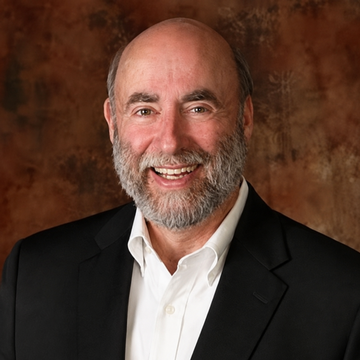
Many leaders have a clear strategy but struggle to turn it into consistent execution. Priorities compete, accountability gets blurred, recurring issues consume time, and teams become reactive instead of focused.
In this practical session, dive into how to create clarity, discipline, and accountability across your organization.
Learn how to move from constant firefighting to a more structured operating rhythm, where strategy drives action and people understand what they are accountable for. Regain control of your time, improve execution, and build an organization that consistently delivers results.
-
Bill Wagner
CEO, CSP
Accord Management Systems
-
-
Connected vehicles are becoming standard across commercial fleets but understanding how their data actually reaches a fleet manager can be anything but simple. A mixed fleet may include multiple vehicle manufacturers, embedded OEM connectivity, aftermarket telematics devices and numerous systems consuming vehicle information.
Designed for fleet professionals without a technical background, this Connected Vehicles 101 session follows data on its journey from the vehicle to the fleet manager. Attendees will learn how vehicles generate and transmit information, how OEM and aftermarket data sources differ, and why the type and consistency of available data can vary across a mixed fleet.
Most importantly, the session will connect the technology to everyday fleet management. Through practical examples involving maintenance, safety, utilization and vehicle lifecycle management, attendees will learn what connected vehicle information can and cannot tell them and what questions they should ask when evaluating connected vehicle data.
-

David Glines
Director, Product Management - Digital
Wheels
-

Judd Wheeler
Sr. Product Manager Digital
Wheels
-
-
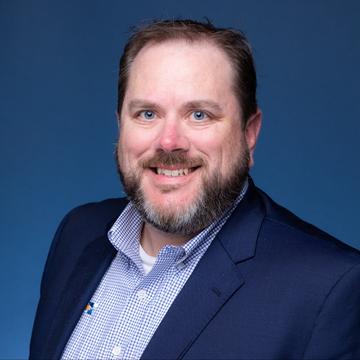
As the world of cooperative procurement evolves, stay informed by attending this panel of experts with insider information on what to look for and when. Bringing decades of public procurement experience, these professionals will help you navigate tough conversations and today’s biggest challenges. Come with questions, and leave with answers and resources for fleet innovation, peer networking, and professional development. This is your opportunity to tap into a public community built to help you solve more fleet problems so you can drive further.
-
Andy Campbell
Director of Cooperative Contracts - Fleet and Public Works
Sourcewell
-

Dan Marran
Director of Government Accounts
Sourcewell
-

Kathryn Rippee
Director of Government Accounts - Local Government
Sourcewell
-
-
Remarketing an unique asset can be worthwhile, but only if you find the right audience to purchase it. In this session, a remarketing expert will dive into how a fleet professional can reach the right market and maximize revenue from selling hard-to-sell assets. Leave with insights on market timing, effective partnerships, and valuation of your assets.
-

John Littler
Sr Manager, Government Sales and Partnerships
Purple Wave Auction
-
-
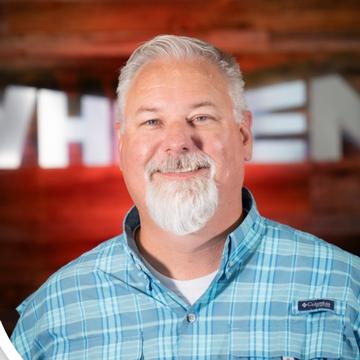
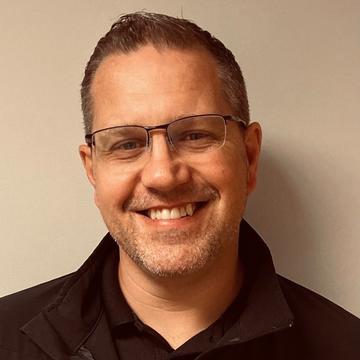
Today’s roadway environment is more distracting and hazardous than ever, making emergency response and roadways scene management an important safety priority for all public safety fleets. This session will focus on the emerging technologies available through connected, intelligent control systems for emergency vehicles.
Beyond just lights and siren controls, today’s emergency vehicle systems can integrate into their environment with cloud-based, two-way signaling technology for intentional communication to infrastructure, motorists, and other responders. Learn how Geofence Controlled Technology (GFCT) can enhance awareness during response, reduce intersection collision risk, improve on-scene safety, manage signal messages, and provide real-time coaching feedback to the emergency vehicle operator.
This session will help fleet leaders make informed choices about available and emerging emergency vehicle technologies, ensuring their fleet is future ready and fully protecting all roadway stakeholders.
-
Christopher Watkins
Technology Sales Manager
Whelen Engineering Co.
-
Matthew Ayers
Technology Sales Manager
Whelen Engineering Co.
-
-
Compliance is what people do because someone is watching. Culture is what they do when no one is. Most fleet leaders want the second and reach for technology to get there, usually starting with in-cab cameras.
For fleets without cameras, the sticking point is rarely budget or hardware. In a 2026 industry webinar poll, fleet and safety leaders named the biggest obstacle to driver buy-in, and drivers feeling surveilled was the top answer.
That outcome is not fixed. Fleet safety technology has always recorded exceptions, so the only thing a program could tell a driver was what went wrong. Management practice grew around that limit. Coaching became correction, and the driver's experience of safety technology became almost entirely negative. The constraint has lifted, and most programs still operate as though it has not.
This session examines what that shift makes possible, how to introduce a program in a way drivers accept, how supervisors should coach with video, and how to recognize safe driving rather than only correct unsafe driving. It closes on four signals that show whether a culture is taking hold.
-

Ryan Wilkinson
Chief Operating Officer
IntelliShift
-
-
Stepping into commercial fleet management can feel overwhelming, with responsibilities ranging from vehicle acquisition and maintenance scheduling to driver safety and cost control. Designed specifically for industry newcomers, this interactive panel brings together experienced commercial fleet managers and industry experts to share foundational strategies for success. Panelists will discuss actionable ways to establish core performance metrics, manage vendor relationships, leverage basic telematics data, and evaluate vehicle financing strategies. Gain real-world insights, learn how to avoid common pitfalls, and build a roadmap for managing an efficient commercial fleet. Whether you recently transitioned into fleet operations or expanded your role to oversee company vehicles, this session provides the practical guidance needed to hit the ground running and succeed.
-

Dylan Jones
Senior Vice President & General Manager, Mobility Growth
WEX
-
-
-
3:00 p.m. — 4:00 p.m.
-
Want to establish and maintain your value in an ever-increasing AI fleet environment? In this session, AI and fleet experts will discuss the strategic opportunities for continued human involvement in fleet management, with focus on the role a fleet manager can establish to maintain upper management support within the corporate structure. Using real-world experiences, data, and case studies, you will learn how to continue improving your abilities to keep up with technological change.
-
Rich Tillotson
V.P. of Business Development
Corporate Claims Management
-
Robert Martines
CEO
Corporate Claims Management, Inc.
-
-
Your fleet safety program may pass an audit, but would it survive a deposition? In this session, we will look at two types of fleets: one with an aspirational safety program, which produces the documents an auditor asks for and considers the job done, and another with a layered, defensive operation with a safety system and record that a jury finds credible, consistent, and robust. Working through three recent verdicts against very different organizations, see what plaintiff’s counsel actually looks for, which of your own records would surface in discovery, and why most fleet exposure never reaches a courtroom at all. Leave with more questions than answers about your own programs, but armed with the building blocks to examine defenses before a jury does.
-

Joshua Sturgis
Founder, Principal
Lodepoint Operations Group
-
-
New fleet professionals often inherit complex operations without a clear roadmap for building a scalable, sustainable fleet program. This session provides a practical, foundational framework designed to help emerging fleet leaders establish strong operational systems from day one. Learn the essential building blocks of fleet management, including asset inventory development, preventive maintenance planning, procurement strategy, vendor management, policy creation, and data governance.
The session emphasizes how to build a fleet program that grows with organizational needs while maintaining cost control, compliance, and operational reliability. Explore how to use telematics, maintenance data, and utilization metrics to make informed decisions and create repeatable processes. Learn how to establish a defensible budget, develop lifecycle plans, and implement sustainability initiatives without disrupting operations.
Whether managing a small fleet or laying the foundation for a large, multi-department operation, you will leave with actionable tools, templates, and step‑by‑step guidance to build a structured, efficient, and future‑ready fleet program.
-

Brandon Boring
Fleet Program Manager
Brandon Boring
-
-
While most fleets track fleet performance every month, fleet garage and maintenance facilities are often overlooked. This session gives fleet managers best practices for planning new facilities using the same performance measures applied to daily operations. Seven KPIs — Fleet Availability, Fleet Utilization, PM Compliance, Repair Turnaround, Technician Productivity, Technician Efficiency, and Parts Fill Rate — will be traced to the facility conditions that constrain them and the design decisions that resolve them.
You will leave with design standards tied to fleet performance, industry best practices, metrics that convert asset count and duty mix into bay and technician requirements, and an economic analysis that supports the business case for a new garage.
-
Bradley Northup
Fleet Services Superintendent
City of Carlsbad Public Works
-

Norman Barrientos
Principal Architect
Barrientos Design & Consulting, Inc.
-
-
Fleet managers track maintenance, downtime, utilization, replacement needs, vendor performance, budgets, and asset condition. But reporting the numbers is only part of the job. Executive leadership needs to understand what those numbers mean, why they matter, and what action should come next.
This session will show fleet professionals how to translate traditional fleet performance metrics into operational and financial insights that support stronger organizational decisions. Learn a practical framework for moving from measurement to interpretation, prioritization, and recommendation.
-

Melvin Jenkins
Founder
FLEETID
-
-
New fleet managers are often thrown into a position where they are simultaneously learning, putting out fires, and trying to keep their fleets on the road. In this session, experienced fleet professionals will detail guidelines for approaching fleet management one step at a time. Learn how to prioritize instead of trying to fix everything at once, what meaningful KPIs to begin tracking, and how to break large fleet problems into manageable steps. Using real-world fleet challenges and solutions, you will gain an understanding of how leadership changes when you become the fleet manager, how to recognize opportunities and build a business case, and how to communicate and tell your fleet’s story to different audiences.
-

Michael Vecchione
Fleet Manager
Pinellas County Sheriff's Office
-

Erinn Dejonge
Manager II - Fleet Business Operations
Sarasota County
-
-
Fleet operations are critical to an organization’s ability to respond to and recover from emergencies, yet they are often overlooked in emergency planning. Severe weather, power failures, workplace violence, civil unrest, cyber incidents, fuel disruptions and other emergencies can quickly disrupt transportation resources and threaten continuity of operations.
Learn how fleet professionals can strengthen emergency preparedness by identifying vulnerabilities, defining operational priorities and integrating fleet resources into the organization’s broader emergency management program. Explore practical approaches to hazard vulnerability assessment, continuity planning, communications, command and control, alternate operating strategies, vendor and fuel contingencies, employee accountability and recovery planning.
Leave with a clear understanding of the fleet’s role before, during and after an emergency, along with practical strategies you can use to improve preparedness, protect employees and keep essential operations moving when normal systems are disrupted.
-

Steve Wilder
President and Senior Consultant
Sorensen, Wilder & Associates
-
-
-
3:00 p.m. — 5:15 p.m.
-
4:15 p.m. — 5:15 p.m.
-
Fleet leaders are under pressure to modernize faster than ever, but most organizations lack a clear, documented AI strategy. This session shows fleet managers, government agencies, and commercial operators how to turn AI from a buzzword into an operational advantage. Learn how AI can reduce fuel consumption, improve driver safety, streamline reporting, eliminate documentation bottlenecks, and enhance asset utilization.
-

Brett Patterson
Founder/CEO
Second Foundation AI
-
-
Fuel card pricing and payment technology are changing faster than most procurement cycles can track. Flat-rate discounts are giving way to network-based pricing, and closed-card platforms are opening up through APIs that plug directly into telematics and maintenance systems. Fleet managers who don’t understand these shifts risk locking into contracts that cost more and integrate less than what’s now available. This session provides a practical framework for evaluating payment and fuel card partners on pricing model, data ownership, and integration flexibility, with specific guidance for how public fleets should read these changes through the lens of cooperative purchasing vehicles.t. Leave with questions to bring to your next RFP or contract renewal — not just theory.
-
Nick Freeman
Enterprise Sales Executive
RoadFlex
-
-
Most fleet safety programs are built to catch mistakes, but catching mistakes doesn’t build a safety culture and it doesn’t keep drivers. This workshop offers a practical framework for evaluating and strengthening a fleet safety program: how to shift from reviewing incidents to preventing them, how to balance coaching with recognition, and how trust — not enforcement — makes safer driving habits stick.
-

Matt Klingbeil
Senior Manager
Netradyne
-
-
Modern day fleet leadership is more than just direction. In this session, learn how to create an environment where employees want to work, rather than have to work. Prioritizing emotional intelligence, vision, incentives, and clear procedures, we will dive into the leadership strategies that retain and reward your staff.
-

Kevin Wellwood
Arbitration Manager
Advanced Subrogation Resources
-
-
Charging failures start at procurement, well before the first charger goes down. This session brings together fleet professionals who have operated charging assets through failure — and the procurement specialists who write the documents that govern them — for a candid discussion of what the contract should have said.
Panelists work through what actually happened at their sites: how long faults stayed open, what the vendor was and was not obligated to do, what it cost in vehicle availability, and which single clause would have changed the outcome. The conversation covers uptime claims versus measurable commitments, data and system access rights, standardized fault reporting, spare parts lead times, and how warranty structure allocates risk.
Leave with an understanding of how to probe your own charging agreements and a clear sense of who needs to be involved in a successful deployment. If you operate chargers, this is a diagnostic check-in. If you are about to buy, it is your last inexpensive chance to get the terms right.
-

Grayson Eady
Founder & CEO
EVision Solutions LLC
-
-
Fleet sustainability extends beyond vehicles to the facilities where they are stored, serviced, fueled, charged, and managed. This session will explore how thoughtful facility design, efficient operational flows, energy and water conservation, and sustainable purchasing can improve safety, productivity, employee well-being, resilience, and environmental performance. Attendees will also learn how to incorporate biobased fleet and facility products into daily operations and access a complimentary facilities training program.
-

Bailey Arnold
Director, Healthy Air Solutions
American Lung Association
-
-
Tuesday, April 6
Back to top-
2:15 p.m. — 3:15 p.m.
-
Unlike other industries, the transport and logistics industry is built on flat hierarchies, a large operations workforce, and comparatively few management roles. Thin margins keep wages low, and demanding tasks drain workers.
In this session, we will examine how emerging technologies can become key career accelerators rather than threats. Digital tools — from workflow automation to real‑time fleet visibility — shift routine tasks upward, giving operations workers room to grow into analytical, supervisory, and cross‑functional roles.
Learn how technology can open career mobility, elevate operational expertise, and turn frontline experience into strategic advantage. Gain a practical look at how fleets and supply‑chain organizations can use digital transformation to grow their people, not replace them.
Learn how technology can open career mobility, elevate operational expertise, and turn frontline experience into strategic advantage. It’s a practical look at how fleets and supply‑chain organizations can use digital transformation to grow their people, not replace them.
-

Nicola Zingraf Bolton
Founder, Managing Owner
Bolton Consulting LLC
-
-
Range and charging consistently top the list of driver concerns, and fleets seeking to electrify must contend with a wide range of employee circumstances, use cases, and solutions. Navigating home, workplace, and public charging across diverse business needs can be daunting even for the most experienced fleet managers. This panel explores charging options and how fleets combine home, workplace, and public charging into a strategy that supports diverse fleets and actually wins driver support. Hear directly from a fleet running a large employee EV program, and a fleet management company implementing workplace and home-charging solutions, as they discuss what works, what fails, and how to answer range anxiety objections. This panel will also dive into evaluating and ensuring public charging reliability, a make-or-break component of any fleet charging strategy.
-

Ashwin Dias
CEO
Presto Charging
-
-
Fleet leadership is about more than managing vehicles, operations, and metrics — it’s about leading the people who make performance possible. In an industry shaped by constant change, evolving technology, workforce challenges, and increasing demands for efficiency, strong leadership is essential.
This session brings together seasoned fleet leaders to share the experiences, lessons, and leadership principles that have shaped their careers. Through candid stories and practical examples, we will explore how to lead with purpose, build trust, inspire performance, and empower teams to take ownership.
Gain practical strategies for creating clarity, communicating priorities, building accountability, motivating employees, recognizing contributions, and developing emerging leaders. We will also address how to delegate effectively and give teams the confidence and space to make decisions, solve problems, and navigate change.
-

Matt Salm
President and COO
Auto Driveaway Transport Logistics
-

Ed Peper
Former VP, GM Fleet; Automotive Fleet Hall of Fame Member
Retired
-

Laura Jozwiak
Former Chief Client Officer, Wheels; Automotive Fleet Hall of Fame Member
Retired
-
-
Behind every vehicle type, trim decision, and spec upgrade is a specific imagined day: the tow that never happened, the site the smaller truck couldn’t reach, the route nobody drove. These decisions are individually defensible but collectively expensive, and they persist because the incentives protect them. Order too much and the cost surfaces three years later in someone else’s budget, but order too little and a driver alerts leadership before you can adjust.
This session explores where vehicle type and trim decisions get made, what utilization data can and can’t prove about them, and why electric vehicle battery range selection presents similar challenges with potentially greater financial implications.. Leave with a method for testing one vehicle type assumption and the arguments they’ll need when procurement, drivers, and resale assumptions push back.
-

Adam Seifert
VP Customer Success
Inspiration Fleet
-
-
This interactive and fast-paced learning exercise is designed for all new and experienced fleet managers from all types of fleets. Contestants will be assigned to one of eight teams to compete for the title of Great Escape 2027 champions. Teams will be given resources to race against the clock and complete four different mission objectives. This year’s theme is Fleet Utilization — Less is More, and it will put teams onto courses to tackle fleet utilization challenges and bring improved fleet solutions to their fleet. Teams should be ready for a real race. This isn’t just a table exercise; you’ll be racing for real in and around the convention center space.
(Please note: This education session will be limited to 48 participants at a time.)
-

Facundo Tassara
Fleet Success Ambassador
RTA Fleet
-
Bradley Northup
Fleet Services Superintendent
City of Carlsbad Public Works
-
-
Cost per mile remains an important fleet metric, but it no longer tells the full story. Today’s fleet managers are under pressure to improve productivity, reduce downtime, maximize asset utilization, and demonstrate strategic value beyond traditional metrics. As fleet operations become more complex, leading organizations are adopting a broader set of KPIs to measure performance and support better decision-making.
This session explores the performance metrics high-performing fleets use to move beyond traditional cost measurement. Learn how organizations are tracking utilization, vehicle availability, downtime, technician productivity, asset lifecycle performance, energy consumption, and operational resiliency, and how these metrics are influencing investment, maintenance, and replacement decisions. Drawing on real-world fleet examples, this session will help you identify the most useful KPIs for day-to-day operations and learn how to avoid “dashboard overload” by focusing on metrics that actually drive action.
Leave with a practical framework for building a balanced fleet performance scorecard aligned with your organization’s goals, gain better visibility into operations, and demonstrate fleet value beyond simple cost measures.
-

Kevin DeVinney
Director, Commercial & Industrial Marketing
Gasboy
-
-
Fleet managers have access to more operational data than ever, but one part of the vehicle lifecycle can still be difficult to see: what happens while assets are moving between locations. Transportation data can provide valuable insight into how vehicle movement affects asset availability, cost, productivity, and overall fleet utilization. This session will explore which transportation signals matter most, how fleet teams can turn that information into better operational decisions, and where visibility gaps can create hidden inefficiencies.
Attendees will also learn how emerging technologies, including automation and AI, are making transportation data more actionable by identifying patterns, surfacing exceptions, and helping teams recognize issues earlier. Rather than focusing on technology for technology’s sake, the session will provide a practical framework for using data to improve vehicle movement and get more value from fleet assets.
-

Stan Deak
Chief Revenue Officer
Super Dispatch
-
-
AI has reached the maintenance shop, and every fleet team is being told how to transform operations around the country. Two years of live use across municipal and private fleets now make it possible to call out what it can really do, and where it is still just hype.
This panel brings fleet leaders from public and private sectors for conversation with practitioners who have deployed early-warning models across mixed fleets. Hear where AI in maintenance has delivered measured, customer-validated savings, and where it is not really ready yet.You will leave with a clear way to judge any AI-driven maintenance program on the key metrics that matter, and practical first steps you can adopt to tap into the benefits with your fleet, whether it is 20 or 2,000 vehicles.
-
Facundo Tassara
Fleet Success Ambassador
RTA Fleet
-

John Pittman
Solid Waste Director
Camden County, Georgia
-

Ganes Kesari
Founder & CEO
Tensor Planet
-
-
-
3:30 p.m. — 4:30 p.m.
-
Fleet managers running day-to-day maintenance operations must make strategic, practical decisions about what AI technologies to adopt and which to wait on.
This session takes a practical, no-hype look at where AI genuinely helps fleet teams today: catching parts shortages before they stall a repair, giving technicians faster answers in the shop instead of digging through manuals, and pulling maintenance, procurement, and fleet data into one place instead of five different systems. We’ll also be honest about where AI tools still fall short, so you’re not left guessing.
Drawing on real fleet deployments, attendees will leave with a simple framework for evaluating AI vendor claims, a plain-language checklist for what your fleet data must look like before AI tools can actually help, and a few stories — good and bad — from fleets that have already tried it. The goal isn’t to convince you AI will transform your fleet overnight. It’s to help you separate what’s real from what’s smoke and mirrors, so you can make a confident call for 2027 planning
-

Michael Brawley
VP, Solutions Engineering
Transit Technologies
-
-
Fleet managers are surrounded by data, but the real challenge is knowing what deserves attention first. Which maintenance issues are costing you the most? Where is downtime actually coming from? Which metrics point to a problem, and how do you know whether your results are on track or falling behind?
This session will help you turn the data you already collect into clearer priorities and better maintenance decisions. Through real-world examples from two fleet organizations, learn how your peers are using benchmarks and performance trends to identify costly issues earlier, improve preventive maintenance, shorten repair cycles, and focus limited time and resources where they can have the greatest impact.
Learn to evaluate benchmarks thoughtfully, recognizing where peer comparisons are useful and where fleet type, duty cycle, or operating environment requires additional context. The session will show how to measure whether changes are working and communicate results in terms that leadership understands, including uptime, cost savings, asset life, and operational performance.
-

Jon Hinkle
Senior Strategic Operations Manager (Previous Fleet Manager)
Fleetio
-
-
According to the U.S. Bureau of Labor Statistics, in 2024, occupational roadway deaths among vehicle occupants fell while deaths among workers on foot struck by vehicles rose 19%. Your safety program can’t reach that risk, and your incident data probably can’t name it. Leave with a four-question Roadside Exposure Audit you can run at any fleet size using data you already own and machine-legibility criteria for your next spec.
-

Cory Hohs
CEO
HAAS Alert
-
-
Stepping into commercial fleet management can feel overwhelming, with responsibilities ranging from vehicle acquisition and maintenance scheduling to driver safety and cost control. Designed specifically for industry newcomers, this interactive panel brings together experienced commercial fleet managers and industry experts to share foundational strategies for success. Panelists will discuss actionable ways to establish core performance metrics, manage vendor relationships, leverage basic telematics data, and evaluate vehicle financing strategies. Attendees will gain real-world insights, learn how to avoid common pitfalls, and build a roadmap for managing an efficient commercial fleet. Whether you recently transitioned into fleet operations or expanded your role to oversee company vehicles, this session provides the practical guidance needed to hit the ground running and succeed!
-

Mike Camnetar
Fleet Servies Manager
General Mills
-

Jon Stafford
Chief Commercial Officer
Zeti, Inc.
-

Michael Zalas
Chief Commercial Officer
True North Fleet Services
-

Kevin Egolf
Head of Capital Solutions
Zeti, Inc.
-
-
Most fleet leaders can't hire, fire, or approve their own budget, yet they're accountable for outcomes that depend on finance, procurement, and the C-suite saying yes. This session breaks down the three types of credibility that actually move those functions, why they're not interchangeable, and how to figure out which one you're missing before your next big ask.
-

Maria Neve
VP, eFMC Strategy
Inspiration Fleet
-
-
Wednesday, April 7
Back to top-
1:45 p.m. — 2:45 p.m.
-
For years fleet technology has focused on collecting more data, generating more alerts, and building more dashboards. Yet many fleet operators still struggle to turn information into action.
This session will explore what large-scale deployments of AI-powered virtual fleet managers have revealed after operating in real-world fleet environments. Drawing on operational findings from major deployments and pilot programs with leading fleet management companies and commercial fleets, the presentation will offer a “year in the wild” perspective on how agentic AI is changing day-to-day fleet operations.
The session includes a look at what has worked, what has surprised operators, how AI is uncovering insights from data that has been difficult to interpret, where measurable efficiencies and savings are emerging, and the lessons fleet professionals can apply as AI moves into the mainstream.
-

Dave Prusinski
Chief Executive Officer
Vehicle Management Systems (VMS)
-
-
When you ask fleet managers which KPI they trust most, an overwhelming 68% point to cost per mile or total cost of ownership, with another 21% citing utilization. Those are the right metrics to track, but are they only telling you what already happened? This session makes the case for a KPI that should be on your dashboard: how fast and how well you title and plate your vehicles, as well as turn vehicles at the end of their service life. Using real performance data, you will see how treating every vehicle as an individual asset — not a fleet-wide average — changes cycle-time decisions and protects value. Leave with the ability to evaluate your own operations and have a clear answer on how to improve your cost per mile.
-

Brad Kacsh
Director Licensing, Compliance & Safety
Moventum Fleet Management
-

Anna Stanke
Director Fleet Remarketing and Products
Moventum Fleet Management
-
-